Making Offerings at a Buddhist Altar
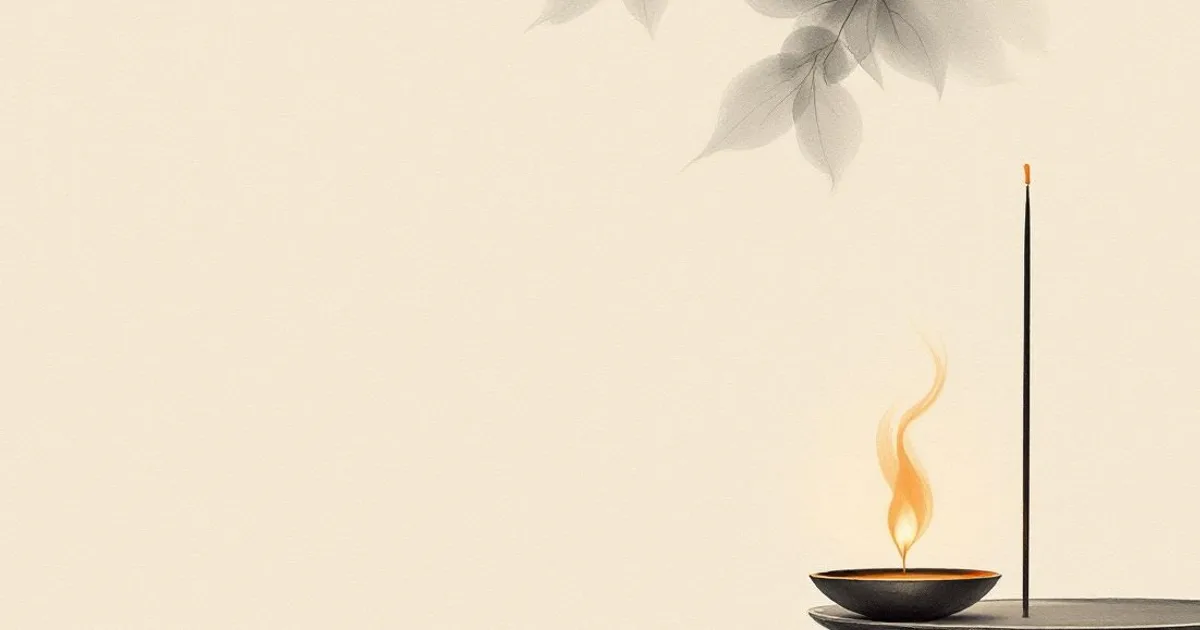
Making offerings in Buddhism means placing simple gifts — flowers, incense, light, water, food — before a Buddha image as acts of generosity, devotion, and gratitude. Crucially, it is not the feeding or bribing of a god: the Buddha is no deity who consumes them. Each offering carries a quiet teaching, and the one truly changed by the giving is the giver. It is among the gentlest and most universal of Buddhist devotions, practised at the home altar and the great temple alike.
What an offering is — and is not
Begin with the misunderstanding worth dissolving. To leave fruit and flowers before a statue can look, from outside, like an attempt to feed or flatter a god. It is neither. The Buddha is not regarded, in the mainstream of any tradition, as a deity who eats offerings or trades favours for them. So what is an offering?
It is, first, an act of generosity (dāna) — the most basic of Buddhist virtues — and of merit-making: a wholesome act that shapes the heart toward openness. It is an expression of devotion and gratitude toward the one who found and taught the path. And it is a support for contemplation — for each offering is also a symbol, and offering it mindfully turns a simple gesture into a moment of reflection. The reverence is directed outward to the Three Jewels; the real work happens inward.
What the offerings mean
The common offerings each carry a traditional meaning, and knowing them turns the act into a meditation:
- Flowers → impermanence. Fresh and beautiful now, flowers will wilt and fade by tomorrow. The tradition offers them while reflecting that this very body, too, will age, sicken, and pass — a daily reminder of anicca, impermanence.
- Light (candles or lamps) → wisdom. A flame in the dark stands for the light of wisdom dispelling the darkness of ignorance — the very thing the Buddha’s awakening brought into the world.
- Incense → virtue. The rising fragrance represents the “perfume” of a moral, well-lived life (sīla): as the texts say, the scent of the virtuous spreads even against the wind.
- Water → purity. Clear, clean water represents purity and clarity of mind — a favourite offering in the Tibetan tradition especially.
Offered this way, the shrine becomes a small lesson in the whole path: impermanence seen, wisdom honoured, virtue aspired to, the mind made clear.
How the traditions differ
Making offerings is pan-Buddhist, but its forms vary, and it is worth naming which one is in view. In the Theravada world, offerings of flowers, lamps, and incense are commonly made with short Pali verses that voice exactly the reflections above. In Tibetan Buddhism there is a specific, elaborated schema — the eight offerings, presented most often as a row of water bowls — that we treat on its own page. And across East Asia the forms shift again. The impulse is shared; the choreography is local.
The spirit of it
What matters most is not the costliness of the gift but the quality of the heart that gives it. The tradition is clear that a single flower or a cup of clean water, offered with sincerity and a peaceful mind, is worth incomparably more than a lavish offering made carelessly or to impress. An offering is a small, daily rehearsal of the generous, grateful, unclutching heart the whole path aims to cultivate.
For the bow that usually accompanies an offering, see how to prostrate; for the Tibetan water-bowl practice, the seven offering bowls; for the offering of light, butter lamps; and for the shrine itself, the Buddhist altar. Unfamiliar terms are in the glossary.
Frequently asked questions
What offerings do Buddhists make?
The most common offerings are flowers, incense, and light (candles or lamps), often with water and a little food or fruit. These are placed before a Buddha image on a shrine or altar. The offerings are simple and symbolic; sincerity matters far more than expense, and a single flower offered with a peaceful heart is worth more than a costly gift made carelessly.
Why do Buddhists make offerings — are they worshipping the Buddha?
Not in the sense of appeasing a god. Offerings are acts of generosity (dāna), devotion, and gratitude, and a way of making merit and steadying the mind. The Buddha is not regarded as a deity who consumes offerings or grants favours in return; one offers to honour him and to cultivate one's own generosity and reverence. It is the giver who is changed by the giving.
What do the offerings symbolise?
Each carries a teaching. Flowers, which bloom and quickly fade, are a reminder of impermanence — that this body too will age and pass. A lamp or candle stands for the light of wisdom dispelling the darkness of ignorance. Incense represents the 'fragrance' of good conduct and a pure mind, which spreads like a sweet scent. Water represents purity and clarity. The offering is thus also a meditation.
Is it okay to make offerings if I am not a Buddhist?
Yes, if done respectfully. Making an offering at a temple is a gesture of reverence and goodwill, not a declaration of faith, and visitors are usually welcome to take part sincerely. Follow the local customs — remove your shoes where asked, dress modestly, and act quietly — and offer in the spirit of respect rather than as a transaction.
Sources
- Bhikkhu Khantipalo, 'Lay Buddhist Practice' (BPS Wheel 206), Access to Insight — the Theravāda offering of flowers, lights, and incense and the reflections that accompany them (impermanence, the light of wisdom, the fragrance of virtue)
- Lama Yeshe Wisdom Archive, 'Water Bowl Offerings' — offerings as generosity (dāna), merit, and mind-training rather than the appeasement of a deity
- The symbolic readings of the common offerings — flowers (impermanence), light (wisdom dispelling ignorance), incense (moral conduct), water (purity) — as traditional interpretations across the Buddhist world